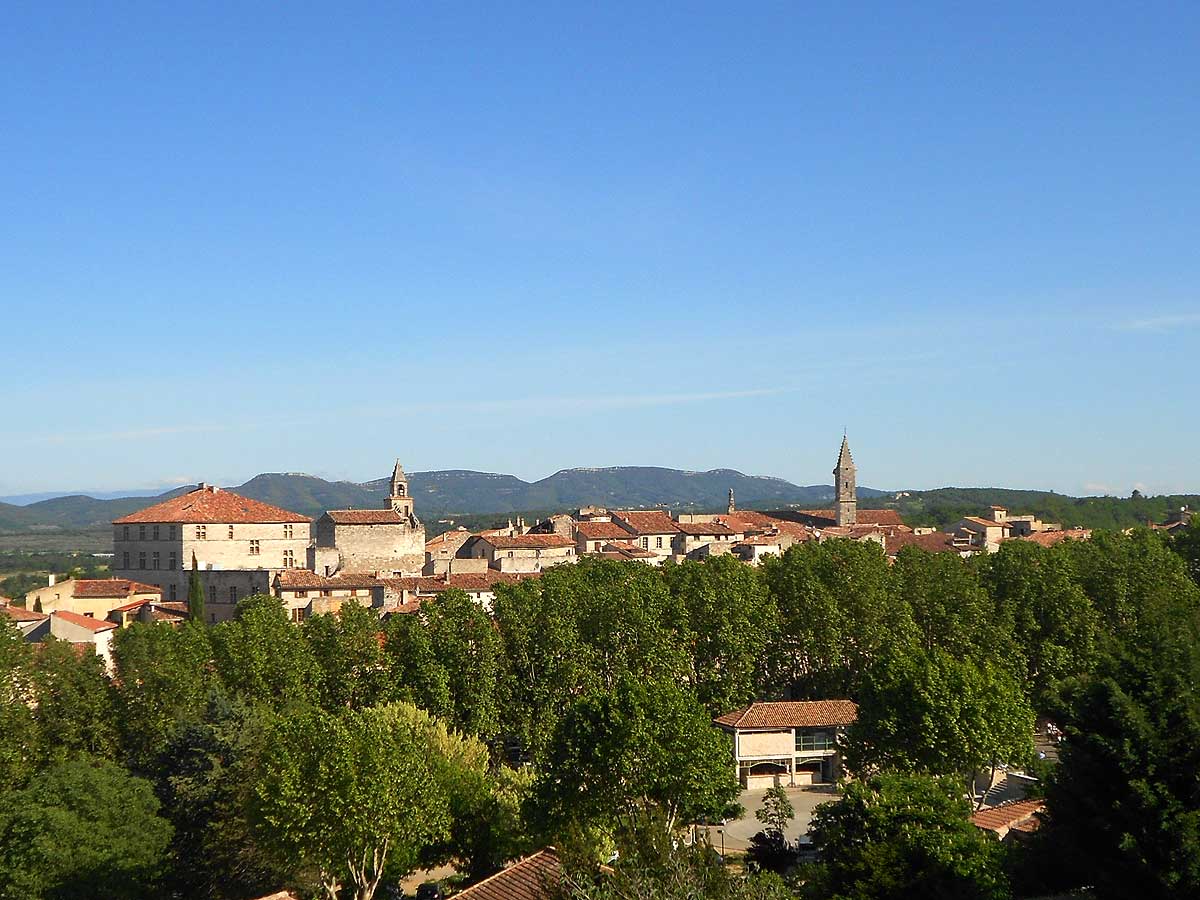
The Cévennes, reliefs of the south-eastern Massif Central
The Cévennes form a mid-mountain region in the south-eastern Massif Central. They include parts of north-western Gard, southern Lozère and south-western Ardèche. The area combines narrow valleys, plateaus, schist or limestone slopes, forests, agricultural terraces and villages linked to old routes.
Climate and landscapes
Mediterranean influences move up the valleys, but altitude quickly changes conditions. Summers can be hot, autumns may bring Cévenol rain episodes and winters are colder on higher ground. This variety explains the contrasts between chestnut groves, garrigue, pastures, rivers and more austere reliefs.
National park and agropastoral heritage
Created in 1970, Cévennes National Park protects part of these environments. It is also recognised as a biosphere reserve and listed by UNESCO for the cultural landscapes of Mediterranean agropastoralism. Hiking, nature observation and the discovery of terraces, drove roads and hamlets help explain the link between human activities and mountain landscapes.
Towns and villages
Alès often acts as an urban gateway. In the Gard, Anduze, Saint-Jean-du-Gard, Le Vigan and Bessèges provide access to valleys and hiking routes. Towards Ardèche, Les Vans, Joyeuse and Ruoms connect the Cévennes with the Bas-Vivarais landscapes.
Products and traditions
Chestnuts, pastoralism, markets, cheeses, sweet onions and local crafts remain associated with the Cévennes. These products vary by valley, altitude and season, giving a concrete reading of the area.